

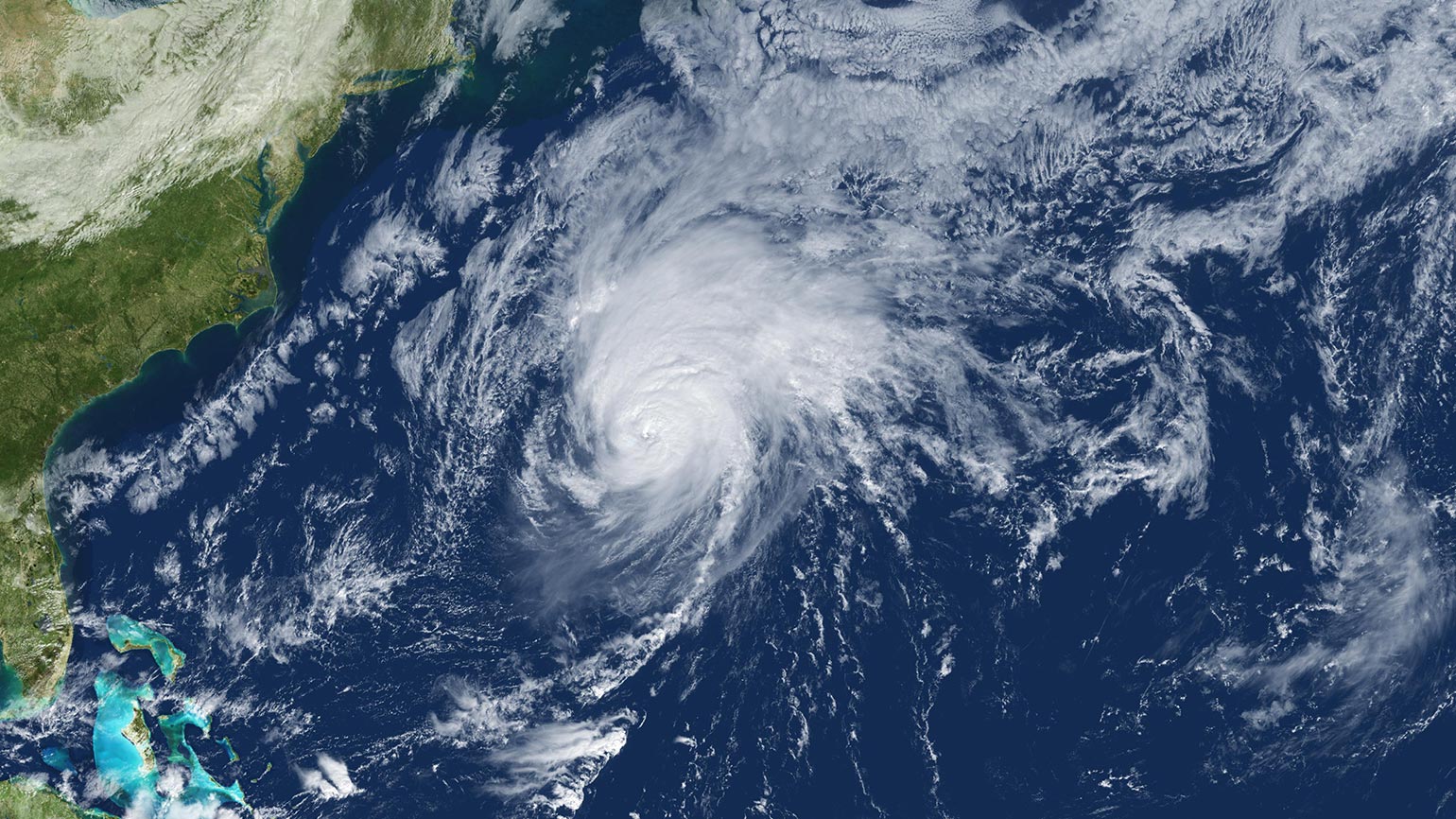
Bermuda and Severe Weather Systems
Due to its geographical location, Bermuda is periodically affected by storms and hurricanes. Hurricanes with sufficient strength to cause serious damage are comparatively rare, occurring every six to seven years. Nevertheless, it is of vital importance that you and your family know what to do in the event of a hurricane.
In Bermuda the Emergency Measures Organization (EMO) brings together the combined services of Government, the utilities and private agencies into a centralized body primarily to provide information to the public before, during and after a storm or hurricane, and also to coordinate rescue and recovery efforts. The EMO sets up a command post (COMOPS) when a hurricane is approaching.
Emergency Contacts
Print these contacts off and keep posted in your home, office and somewhere in easy reach like your wallet.
| Emergency Contacts | |
| Emergency Broadcast Station | FM 100.1mhz |
| Emergency Measures Organisation | 295-0011 |
| Ambulance, Fire, Police | 911 |
| Marine Rescue | 911 |
| BELCO (Electricity Power Outage) | 955 |
| Telephone Service | 611 |
| Works & Engineering | 295-5151 |
| Weather Information | weather.bm |
Hurricanes
Hurricane Season in Bermuda is June 1st - November 30th. The 3 categories of tropical disturbances which may threaten Bermuda during this period are:
 Tropical Depression Tropical Depression |
Sustained winds of 33 knots (38 mph) or less |
 Tropical Storm Tropical Storm |
Sustained winds of 34 to 63 knots (39 to 72 mph) |
 Hurricane Hurricane |
Sustained winds of 64 knots (73 mph) or greater |
 Storm/Hurricane Watch Storm/Hurricane Watch |
Winds of force within 36 hours |
 Storm/Hurricane Warning Storm/Hurricane Warning |
Winds of force within 24 hours |
Winter Storms & Gales
Hazardous winter winds may threaten Bermuda suddenly at anytime between November 1st - April 30th.
Wind warning categories typical of the winter season in Bermuda include:
| Small craft | Sustained winds of 20 to 34 knots (23-39 mph |
| Gale | Sustained winds of 34 to 49 knots (39 to 58 mph) |
| Storm | Sustained winds of 50 knots (60 mph) or greater |
| Gale Watch |
Onset of gale force winds within 24 hours |
| Gale Warning |
Onset of gale force winds within 12 hours |
Road Closures
Due to the exposed nature of the roadways, Causeway & other bridges throughout the island, it may be necessary to limit or restrict the passage of certain types of vehicles and/or pedestrians during excessively high winds.
The decision to close a major thoroughfare during a Bermuda hurricane should not be taken lightly. The considerable inconvenience that will be caused must be weighed against the likelihood of compromising the safety of the public if such action is not taken.
Pre-Storm
- Listen to radio and TV for weather reports or check online weather sources. If regular stations cannot transmit, tune your radio to FM 100.1 MHz for the Emergency Broadcast Facility.
- Prepare a Disaster supply kit with essential food, water and supplies for at least three days and keep in a designated place.
- Have a backpack or duffle bag packed and ready to 'grab and go' with essential clothing, toiletries and medication in case you have to leave your home quickly. Make sure all household members know where the kit is kept.
Exterior
- Secure movable objects such as garbage cans and patio furniture and remove or secure movable awnings.
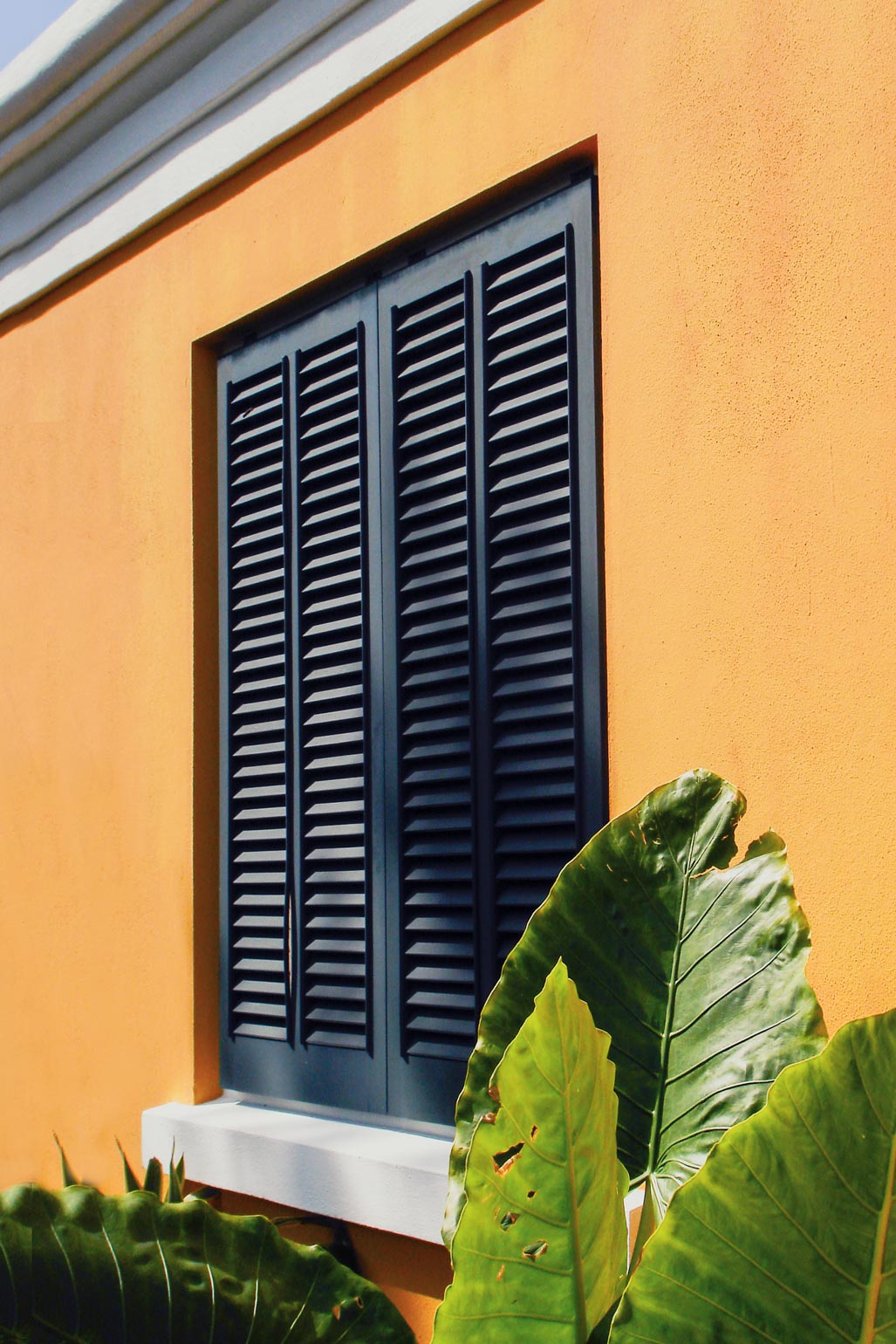
- Put on storm shutters or board up windows. Pay special attention to picture windows, sliding glass doors, garage and other large doors.
- Block the gutters with clean rags or other device to prevent any leaves, salt other contamination from entering water tank.
- Garage doors pose a problem during Bermuda hurricanes. They can wobble at high winds and can pull out of their tracts or collapse from wind pressure. Some garage doors can be strengthened with retrofit kits.
- Keep animals indoors where possible. If they must remain in pasture, release their tethers so that they are free to protect themselves.
Interior
- Turn the refrigerator and freezer to the coldest settings if not instructed by officials to turn off utilities.
- Turn off and unplug all other electrical appliances.
- Check emergency supplies of food that can be consumed with little or no cooking, powdered milk and required medications. Don't forget a manual can opener!
- Make sure that emergency cooking facilities are working properly.
- Sterilize and fill jugs, bottles, cooking utensils and the bathtub with fresh water.
- Exercise caution when using lamps/candles. Always keep a bucket of sand handy to smother small fires and to absorb fuel.
- Have a plan to reunite your family since travel may be difficult or restricted after the storm.
During The Storm
- Listen to the Emergency Broadcast station on 100.1 MHz. Follow instructions if ordered to evacuate.
- Stay indoors. The only time you should leave your home is if you HAVE TO evacuate.
- If you are indoors, stay there. Locate a strong room in your house. If your house or apartment doesn't have a basement, seek shelter in a small room (preferably without windows) in the middle of the house.
- Get under a desk, table or in an inside doorway.
- Stay clear of windows.
- The greatest hazard from falling objects may be outdoors. If you are outside, get into the open away from buildings and power lines. If possible, lie down in a low place.
- If you are driving a car, stop the car but stay inside.
- Do not be fooled by the calm of the eye of the storm. When the eye of a hurricane passes over, the weather is normally clear and dead calm. It can take up to an hour to pass. Then winds and torrential rain will resume quite suddenly at full force from the opposite direction.
After The Storm
Check For Injuries
- If anyone has stopped breathing, give mouth-to- mouth rescue breathing.
- Stop any bleeding injury by applying direct pressure over the site of the wound.
- Do not attempt to move a seriously injured person unless he/she is in immediate danger of further injury.
- Cover a victim with blankets to keep him/her warm.
- Be reassuring and calm.
- Seek medical care immediately for anyone injured or sick.
- Help neighbours who may require special assistance such as infants, the elderly and disabled. The elderly and persons with disabilities may require additional assistance. People who care for them or who have large families may need additional assistance in emergency situations.
Check For Safety
- If you had to evacuate your home, return home only after authorities say it is safe to do so. Stay turned to the Emergency Broadcast Station FM 100.1 MHz for information.
- Wear shoes near debris or broken glass.
- Immediately clean up any spilled medicines, drugs or other potentially harmful materials such as bleach, gasoline or lye.
- Check your home for fire hazards.
- Check utility lines and appliances for damage.
- Shut off gas valve(s). Do not search for a leak with a match.
- Do not use lighters/open flame appliances/electrical switches until you are certain that no gas leak exists. Sparks can ignite gas from a broken line.
- Shut off electrical power at the control box if there is any damage to your house wiring.
- Check your chimney for cracks and damage. Approach with caution as it might topple. Use of a damaged chimney invites fire. If in doubt, don't use the fireplace.
- Check closets and cupboards. Open doors cautiously. Beware of objects falling off shelves.
- Do not touch loose or dangling wires of any description. Damaged electrical power lines can become entangled with wire fences or telephone lines and contact could prove fatal. Report loose power lines and broken sewage or water pipes immediately to the appropriate utility or to the Hurricane Command Post.
Check Your Food Supply
- Do not eat or drink anything from open containers near shattered glass.
- If power is off, check your freezer and plan meals to use up foods that will spoil quickly.
- Use an outdoor grill for emergency cooking.
- Sterilize or boil drinking water drawn from tanks until you are satisfied it is not polluted.
- Water may be disinfected with 5.24% sodium hypochlorite solution (household chlorine bleach). Do not use solutions in which there are active ingredients other than hypochlorite.
Use the following proportions:
Water Amount Clear Water Cloudy Water 1 Quart 1 drop 3 drops 1 Gallon 4 drops 10 drops 5 Gallons 1/4 teaspoons 1/2 teaspoons
Cooperate With Disaster Relief Efforts
- Do not use your telephone except to report medical, fire or violent crime emergencies.
- Do not call more than once reporting failure of electrical or telephone service.
- Turn on your portable radio for information and damage reports.
- Keep streets clear for emergency vehicles.
- Do not hinder first aid, rescue and other essential services.
- Do not go sightseeing after the storm, especially in beach and waterfront areas.
- The Emergency Assistance Organisation (EAO) may be considered as the body for coordinating and distributing resources in the recover phase of critical incidents or events.
Stay safe during the next Bermuda hurricane!